Concept & Art Direction
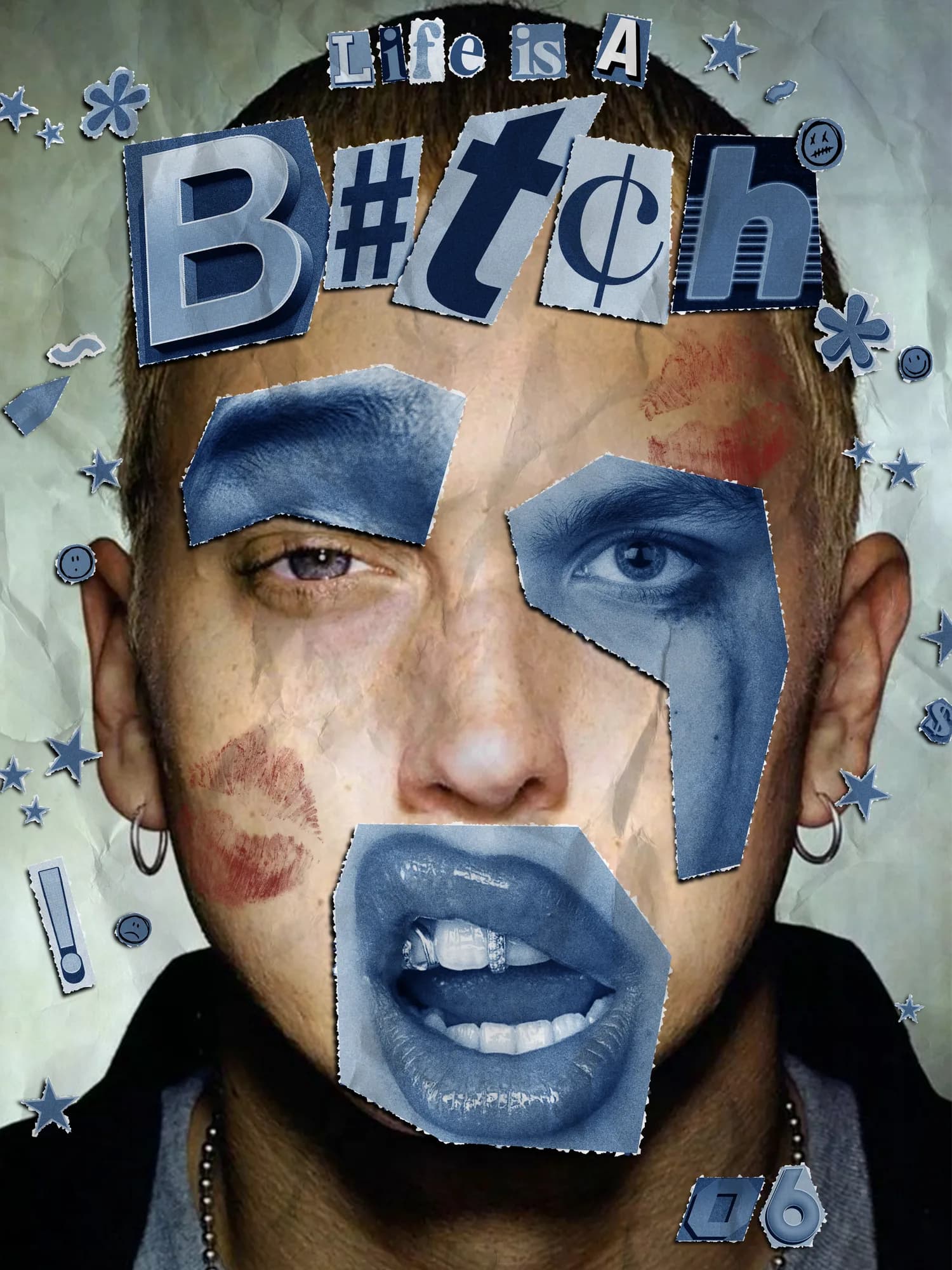
I wanted to step outside of what felt comfortable and test a technique I hadn't fully explored before: the paper collage aesthetic, but executed entirely within Photoshop. The challenge was specific and demanding — recreating the texture, depth, and inherent imperfection of physical collage through purely digital means, without it feeling like a simulation or a shortcut. Every element in the composition was conceived as though it had been cut from a magazine or printed sheet and placed by hand: a fragmented face built from separate pieces, typography assembled like a patchwork of different sources, edges and misalignments that were intentional rather than accidental. The imperfections weren't something to be corrected — they were the whole point.
Process & Techniques
The depth in the final image comes from the accumulation of layers, the careful construction of shadows between elements, the grain introduced at multiple stages of the process, and the texture work that runs through the entire composition to give it an organic, almost tactile quality. Getting that to feel genuine rather than manufactured was the core difficulty. Photoshop is a precise tool, and collage is defined by its resistance to precision — working against the software's natural tendencies required constant attention. I was exploring a technique I hadn't mastered, and that unfamiliarity was productive. The uncertainty pushed the decisions in directions that planning alone wouldn't have reached. This poster exists primarily as a record of that exploration, and as an opening toward what comes next.
Variations
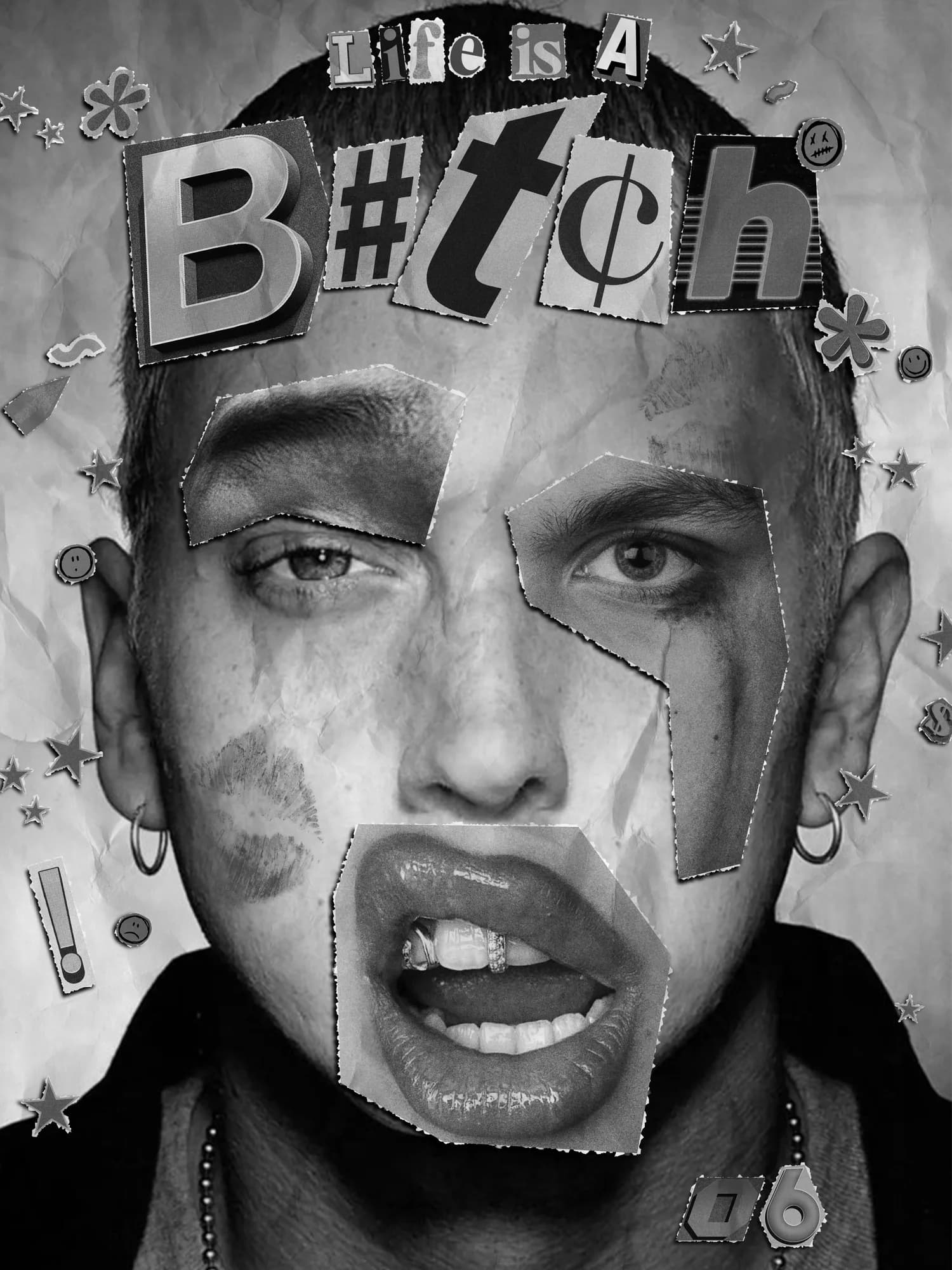
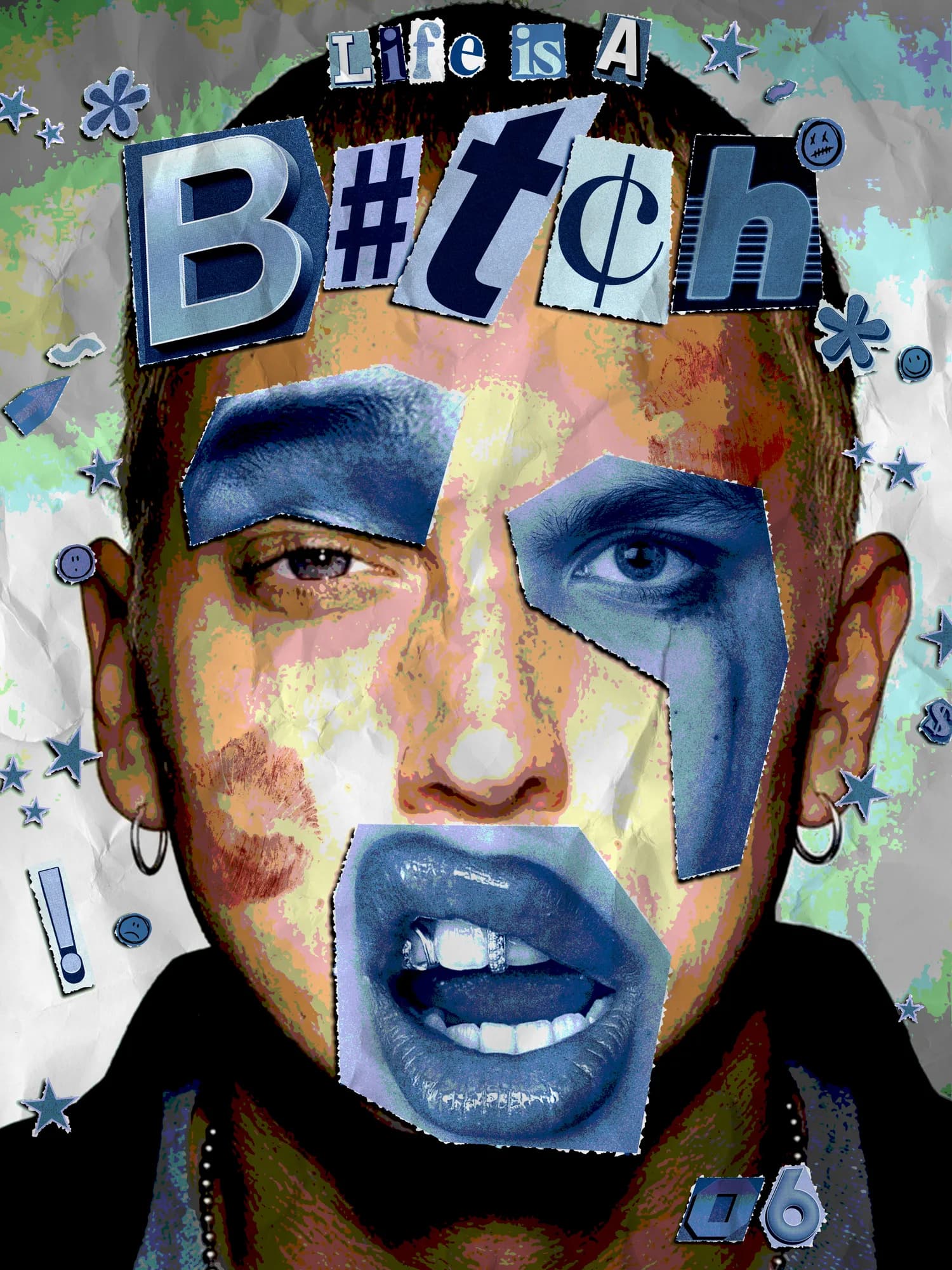
Without the posterize effect, the collage breathes differently. The skin tones come through as they are — warmer, more continuous — and the cut paper fragments sit against a face that reads as flesh rather than graphic surface. The technique becomes more visible here, not less: the seams between pieces, the layered shadows, the grain in the background. The image loses none of its tension, but it softens into something more photographic, more immediate. Stripped of color, the construction of the image becomes the only thing to look at. The cut-out paper effect reads with sharper contrast here — every edge, every misalignment, every shadow between layers is more legible in greyscale than it ever was in color. Nothing is hidden. The face underneath the fragments, the fragments themselves, the texture of the background — all competing for the same tonal space, all equally exposed. It is the most honest version of the technique.